
Chemicals, Paints & Process Plants
Batch sizes with yield and scrap factors, co-products, cost per batch and numeric quality limits.
A plant that fills a mixer and draws off a quantity is not running the process a general ERP was built for. Discrete systems count units in and units out; a paint, fertiliser or oxide plant has to answer what this particular batch cost, how much came out against what the bill of material said should, and whether the raw material was as strong as its certificate claimed. Nama treats those as ordinary questions rather than exceptions: components are issued by assayed potency, cost is carried per batch rather than smeared across a period, and a batch stays out of available stock until its results are inside their limits.
The modules this sector leans on
Shared with every other Nama customer — configured for how you work.
- Production Management — What It Cost, Not What It Should Have Bills of material, routings, work orders and the real cost of what you produced.
- Quality Control — The Gate Between Received and Available Checklists that gate goods into stock, and the process checks behind them.
- Inventory Management — Quantity, Value and Where It Actually Is Multi-warehouse stock, lots, serials, stocktakes and the cost behind every movement.
- Material Requirement Planning (MRP) Demand netted against stock and supply to say what to buy and what to make.
- Purchasing — Request, Compare, Order, Receive, Match Requests, quotations, purchase orders and receipts, priced with landed cost.
- Ledger Chart of accounts, journals, cost centres and the financial statements built on them.
Issued by potency, costed per batch
What this batch actually cost
The bill of material carries a potency, so a component assaying at ninety per cent is issued at 1.111 times nominal rather than at plan weight. Cost is calculated per lot, and the batch stays outside available stock until its results pass.
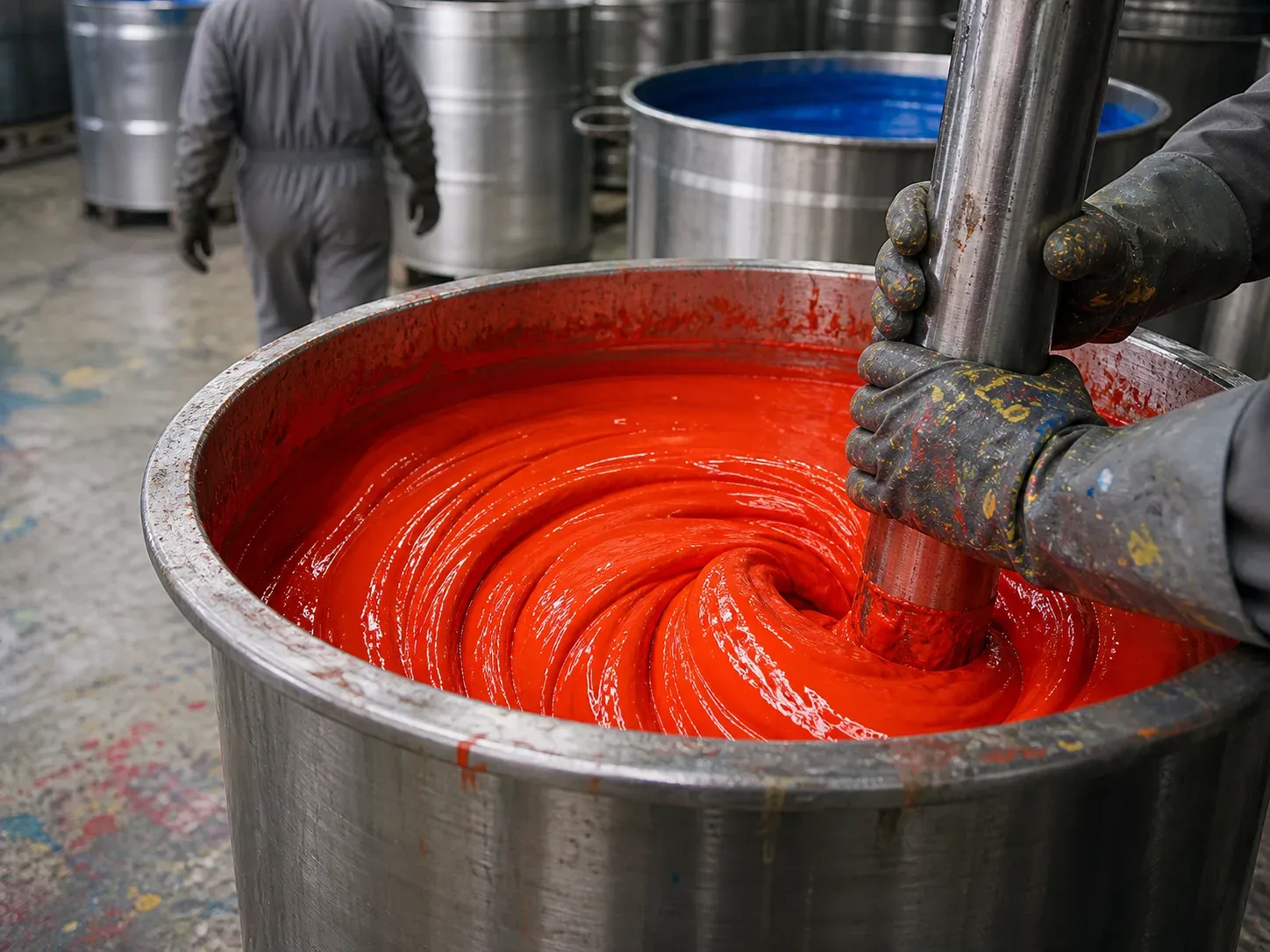
Why a general ERP mishandles a batch plant
Most systems model production as a count: a thousand units go in, a thousand come out, and each is identical to the last. A plant that fills a mixer does not work that way. What it draws off is a quantity, and that quantity depends on how strong the input was and on how the run behaved. The three numbers that decide whether a run made money — what this batch cost, how much came out against what was planned, and whether the material issued was as strong as its certificate claimed — are not numbers a system built for discrete assembly computes at all. So they end up in a spreadsheet beside the ERP, which is exactly where a process plant’s margin is decided.
Issue by active content, not by weight
A drum of raw material is rarely exactly what its specification says. It assays at 92 per cent, or 88, and issuing the nominal weight puts the wrong amount of active material into the batch. Nama carries a potency on the bill of material line and a maximum potency on the item, and when a production order is raised it divides the required quantity by that potency to get the quantity to issue — so a component at 90 per cent is issued at 1.111 times nominal, and one at full strength is issued as written. The yield factor is then applied the same way on top.
Potency is a planned figure on the bill of material. Where the strength varies from delivery to delivery — the normal case in fertiliser — the line can be set to read the active percentage, or the inactive one, recorded on the lot actually being issued, and the quantity scales to that instead. The active percentage can also be taken into account when the system looks up the last purchase or last sale price, so what you paid for a tonne of material is comparable with what was in it. What makes all of this auditable rather than merely automatic is that the order line keeps all three quantities side by side: before potency, after potency, and after yield. Whoever reviews the run can see why the issued quantity differs from the plan instead of guessing. Production is where that calculation lives, and material requirement planning carries the same factors forward when it explodes demand into what must be bought.
What the batch cost, and what else came out of it
Cost Per Batch is a setting on the production order term, and it is the difference between knowing a product’s average cost and knowing this run’s. With it, every lot number in the product deliveries is costed on its own, so two runs that consumed different grades or ran different hours do not collapse into one blended figure. Overheads are allocated by rules you define — a percentage of material, an amount per unit, an amount per production hour — or calculated from what the general ledger actually absorbed in the period. Anything else the run produces is declared as a co-product with its own share of the cost and its own warehouse, so a saleable side output is valued stock rather than a surprise, and the main product carries only what is left. Closing the order compares all of it against standard and reports the variances, and the whole result posts to the same general ledger every other Nama customer keeps.
Releasing the batch, and holding it
Material arriving from a supplier and material coming off the line can both be received into an under-inspection warehouse, where they sit outside available stock until a quality control document accepts them; part of a delivery can be accepted and the rest rejected. Because checklists take numeric and range answers rather than only yes and no, a result is measured against a limit instead of being ticked. Every movement carries the lot, and the lot carries its production, expiry and retest dates, so inventory issues nearest-expiry-first where you want it to and the retest date is a stored attribute rather than a note on a board. When something goes wrong after the fact, a lot already in stock can be blocked from issue for a period — which is what turns a recall or a hold into something the system enforces rather than something the storeman has to remember.
Every screen, field and setting is documented in full.
Read the documentation →Good question — already answered
Our raw material never assays at 100%. Does Nama adjust the quantity issued, or do we do the arithmetic ourselves?
It adjusts it. The bill of material line carries a potency, the item carries a maximum potency, and the production order divides the required quantity by the potency to get the quantity actually issued — a component assaying at 90 per cent is issued at 1.111 times nominal. The order line keeps the quantity before potency, the quantity after it, and the quantity after the yield factor separately, so the adjustment is visible rather than baked into one number.
We need the cost of one batch, not the average for the month. Is that possible?
Yes. Cost Per Batch is a setting on the production order term, and with it every lot number in the product deliveries gets its own cost calculation. Two runs of the same product that consumed different grades, or took different hours, end up with different costs rather than one blended figure.
The run also produces something we can sell. How is its cost handled?
Co-products are a collection on the production order. Each one carries the share of the run's cost it should absorb and the warehouse it is received into, so a saleable side output is valued stock rather than an unexplained gain, and the main product's cost is reduced by what the co-product took.
How does a batch get released, and can we stop one that has already been made?
Incoming and produced material can be received into an under-inspection warehouse and only reaches available stock when a quality control document accepts it, with accept, reject and partial accept all available. Checklists take numeric and range answers, not only yes and no, so a result is judged against a limit. A lot already in stock can be blocked from issue for a period, which is how a recall or a hold is enforced rather than remembered.
Nama customers in Chemicals, Paints & Process Plants





Get started with Nama today
Tell us how your business runs and we will show you how Nama ERP fits it — in your language, on your infrastructure.